As an Amazon Associate we earn from qualifying purchases. Learn more.
Edge-Grain vs End-Grain vs Plastic Cutting Boards (2026): Which Is Best for Holiday Roasts?
Preparing a big holiday roast puts cutting boards through heavy use: long carving sessions, heavy chopping, and lots of cleanup. This guide compares edge-grain (John Boos), end-grain (Ironwood Oslo) and a heavy commercial HDPP plastic board (CuttingBoard) side-by-side, focusing on durability, knife friendliness and maintenance so you can choose the right board for holiday meals. Products were selected for real cook-focused features — thickness, construction, and customer feedback on durability, ease of cleaning and value.
Quick Answer
For holiday roasts, the John Boos B Series (edge-grain) is the best overall pick for a balance of durability, thickness and reasonable care. If you need a low-cost, heavy-duty, easy-to-clean option choose the CuttingBoard HDPP plastic board; if knife-friendliness and presentation matter most, choose the Ironwood Oslo end-grain board.
Our Top Picks
Quick Comparison
Select 2-3 products to compare side-by-side
| Compare | Product | KitchenGauge Score | Price Tier | Key Feature | Best For | Action |
|---|---|---|---|---|---|---|
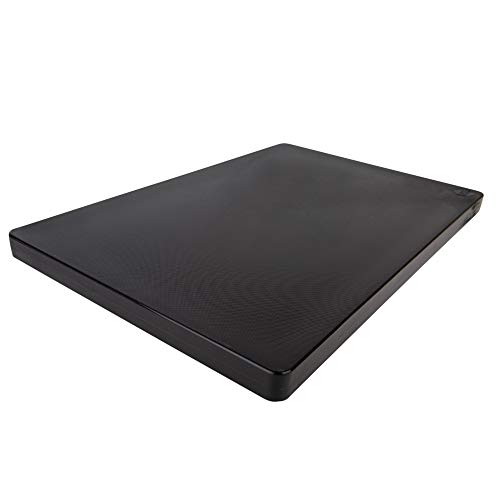 Thick HDPP Plastic Board
|
Budget | Extra-thick HDPP commercial-grade plastic | Heavy-duty prep & easy cleanup | Check Price | ||
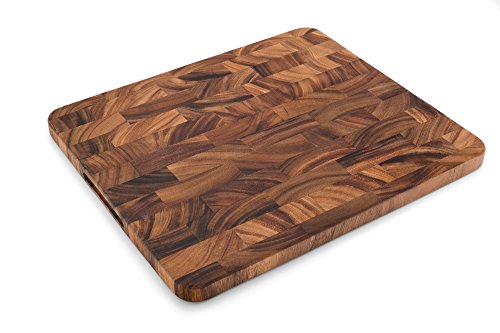 Ironwood Oslo End-Grain
|
Premium | 100% end-grain Acacia wood construction | Knife-friendly carving & serving | Check Price | ||
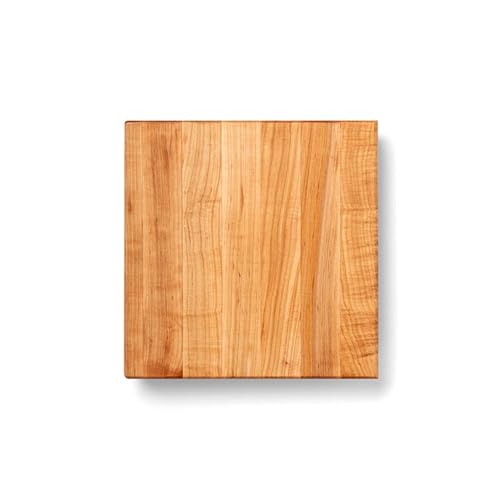 John Boos 12x12 Edge-Grain
|
Mid-Range | 1.5-inch thick edge-grain maple block | Balanced durability and kitchen use | Check Price |
1. Restaurant Thick Black Plastic Cutting Board, 20 x 15 x 1 Inch Superior HDPP Poly, NSF for Commercial Kitchens
A heavyweight, restaurant-style HDPP board built to take heavy use and frequent dishwasher cycles. It resists warping and hides knife marks well, making it a practical, low-maintenance choice for large holiday prep.
Key Specs
- Dimensions: ~19.8 x 14.8 x 0.875 inches
- Material: High-density polypropylene (HDPP)
- Heat safe to ~215°F (dishwasher/heat tolerant)
- Weighted to resist sliding; textured surface
Pros
- Better waterproofing and dishwasher tolerance than the wooden boards
- More resistant to warping and staining than thinner plastics
- Lower upfront cost with commercial-grade durability compared to household plastic
Cons
- Less gentle on knife edges than end-grain wood
- Heavy — less convenient to move and store
Best For: Heavy-duty prep & easy cleanup
Check Latest Price on Amazon2. Ironwood Gourmet Oslo End Grain Utility Cutting Board, 14 x 16 Inches, Natural Acacia Wood
A visually striking end-grain Acacia board that’s gentle on knives and doubles as a serving piece. It excels at protecting knives and looks great on the table, but demands regular oiling and careful drying to avoid cracks.
Key Specs
- Dimensions: 15.75 x 14 x 1 inch (approx.)
- Material: 100% end-grain Acacia hardwood
- Construction: End-grain blocks to reduce dulling
- Care: Hand wash only; periodic oiling recommended
Pros
- Much gentler on knives than the plastic board
- Better presentation and looks than both the plastic and edge-grain options
- End-grain construction reduces visible wear compared with some edge-grain surfaces
Cons
- More maintenance (hand-wash, oiling) than plastic and can crack if neglected
- Higher cost and variable durability reported compared with the John Boos wood
Best For: Knife-friendly carving & serving
Check Latest Price on Amazon3. John Boos B Series Square Wooden Maple Cutting Board 12x12 1.5 Thick, 6-lb Non-Reversible Butcher Block with Wood Bun Feet & Edge-Grain
A classic edge-grain maple board with substantial thickness and bun feet that sits steady during carving. It’s a workhorse for holiday roasts—more durable and easier to manage than many end-grain boards while still kinder to knives than thin plastics.
Key Specs
- Dimensions: 12 x 12 x 1.5 inches
- Material: Edge-grain maple (butcher block)
- Design: Raised bun feet; non-reversible surface
- Care: Hand-wash recommended; oil periodically
Pros
- More durable and less likely to split quickly than some end-grain options
- Better knife friendliness than most thin plastics
- Thicker, sturdier feel with improved stability over lightweight boards
Cons
- Requires hand-washing and periodic oiling unlike plastic
- Can split or crack if exposed to prolonged moisture or improper care
Best For: Balanced durability and kitchen use
Check Latest Price on AmazonWhich One Should You Choose?
If budget and low maintenance are top concerns → CuttingBoard Restaurant Thick HDPP (B07DKY63X3). Its commercial plastic resists warping, cleans easily in high heat, and hides knife marks — ideal for a busy kitchen with minimal upkeep.
If you want the best balance of durability, stability and reasonable maintenance for large roasts → John Boos B Series (B0000DDXCV). The 1.5" edge-grain maple block stands up to heavy carving, is easy to stabilize, and will last years with basic hand-washing and oiling.
If knife friendliness, visual presentation and serving are the priority → Ironwood Oslo End-Grain (B07D1L73S3). It’s gentler on blades and makes an excellent serving board, but expect to hand-wash and oil it regularly to prevent cracking.
Best for Specific Scenarios
- Carving a large holiday turkey or roast: John Boos (edge-grain) because its thickness and stability resist tipping and stubborn slicing.
- Quick prep and messy jobs (marinated meats, heavy sanitizing): CuttingBoard HDPP plastic because it’s dishwasher-safe, waterproof and hides stains.
- Presentation and protecting high-end knives: Ironwood Oslo end-grain because it’s gentle on blades and doubles as a handsome serving board.
Frequently Asked Questions
Is end-grain really better for knives than edge-grain or plastic?
Yes — end-grain boards present the wood fibers vertically so the blade pushes between the fibers rather than cutting across them, which reduces dulling. That said, end-grain demands more maintenance (hand-wash, oil) to stay crack-free.
Can I put a wooden board in the dishwasher?
No. Wooden boards (edge- or end-grain) should never be run through a dishwasher — repeated hot water and detergent exposure can warp, split or strip oils from the wood. Use warm soapy water, dry upright, and oil periodically.
Which board is most sanitary for heavy meat carving?
A commercial-grade plastic HDPP board is easiest to sanitize because it tolerates dishwasher temperatures and won’t absorb juices. If you prefer wood, clean immediately after use and sanitize carefully with hot soapy water; replace or resurface a wooden board that develops deep grooves.
How We Selected These Products
Our recommendations are based on data-driven analysis: we evaluated 67623+ products across 9192+ brands using a composite scoring system that weighs rating (40%), review volume (30%), price value (20%), and demand signals (10%). Every product is ranked by data, not opinions.
Last updated: October 16, 2026
As an Amazon Associate we earn from qualifying purchases at no extra cost to you. Full disclosure.
KitchenGauge Score is our editorial ranking based on a composite analysis of product quality, value, and verified customer sentiment. Click through to Amazon for current pricing, availability, and live customer reviews.